Car insurance is an essential part of owning a vehicle, but the cost of that insurance can vary widely. One of the most significant factors influencing your car insurance premium is the type of vehicle you drive. Understanding how your vehicle type affects your rates can help you make better decisions when purchasing insurance. This article will explain the various ways vehicle types influence insurance premiums and what you can do to manage those costs.
Vehicle Type And Insurance Rates: The Basics
Car insurance rates are influenced by a wide range of factors, including the model, make, and year of your vehicle. When it comes to vehicle type, insurers evaluate a variety of characteristics, such as the car's performance, safety features, repair costs, and likelihood of theft. These factors combine to determine how much risk the insurer assumes when covering your car. Generally speaking, more expensive vehicles or those with high repair costs will result in higher insurance premiums.
Sports Cars Vs. Sedans: Performance And Risk
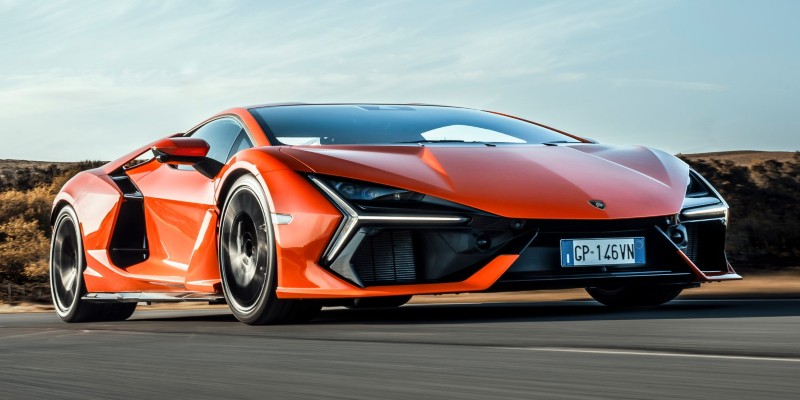
Sports cars are one of the most expensive types of vehicles to insure. The reason for this is straightforward: sports cars are often high-performance vehicles capable of high speeds. This increased potential for speed-related accidents or dangerous driving habits raises the perceived risk for insurance companies. Additionally, sports cars are often targeted by thieves due to their high resale value and desirability. These factors lead to significantly higher premiums for sports car owners compared to those driving sedans or more standard vehicles.
On the other hand, sedans, which are typically designed for daily use and have less powerful engines, are generally less expensive to insure. These vehicles are associated with lower rates of accidents and less costly repairs, reducing the risk for insurers. As a result, sedan owners tend to pay lower premiums for similar coverage compared to owners of sports cars.
SUVs And Trucks: The Middle Ground
SUVs and trucks fall somewhere in between sports cars and sedans when it comes to insurance rates. While these vehicles are generally larger and more expensive to repair than sedans, they are also considered safer due to their size and enhanced safety features. In terms of risk, SUVs and trucks are less likely to be involved in accidents that result in significant injury, which can help reduce insurance costs.
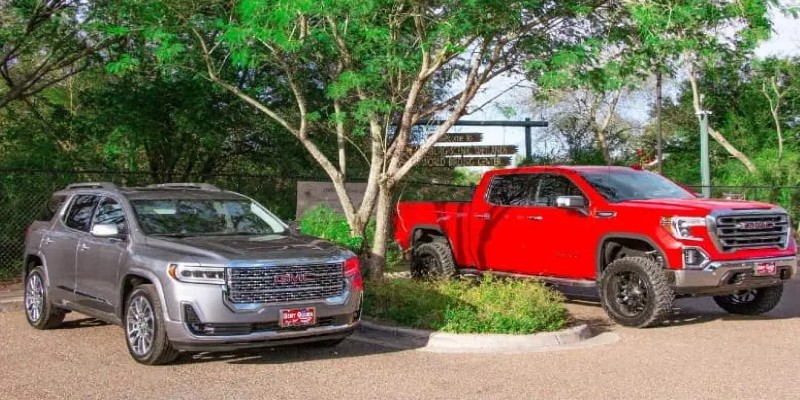
However, the higher repair costs associated with larger vehicles still contribute to higher premiums compared to sedans. Additionally, the type of truck or SUV matters. Luxury SUVs and high-performance trucks, like those with off-road capabilities, tend to have higher insurance premiums than standard models.
Luxury Cars: High Value And High Risk
Luxury cars, especially those from high-end brands like Mercedes-Benz, BMW, or Audi, are among the most expensive vehicles to insure. These cars are not only expensive to repair but also have a higher likelihood of being stolen. Insurers factor in the cost of repairs, the risk of theft, and the higher medical costs associated with accidents involving luxury vehicles when determining premiums.

Furthermore, luxury cars often come with advanced features that, while improving safety, may also increase the cost of repairs. For example, features like automatic braking systems, adaptive headlights, or advanced infotainment systems may require specialized repair work, which drives up costs.
Electric Vehicles: New Technology And Insurance Costs
Electric vehicles (EVs) are becoming increasingly popular, and their insurance rates are often higher than those of comparable gasoline-powered cars. One reason for this is that EVs tend to have higher repair costs due to their unique components, such as large batteries and specialized electric drivetrains. When an EV is damaged, the cost to repair or replace these components can be significantly higher than for traditional vehicles, which leads to higher premiums.
Another factor affecting the cost of insurance for EVs is the relative newness of the technology. Insurance companies may view EVs as more risky to insure simply because there is less data available on their long-term performance and accident history.
Minivans And Family Cars: Family-Friendly And Affordable
Minivans and other family-oriented vehicles, such as family sedans, generally have lower insurance premiums than sports cars, luxury cars, and even many SUVs. The main reason for this is that these vehicles are designed with safety and practicality in mind, often including features like airbags, stability control, and ample crash protection. Since family cars are typically driven in less aggressive driving conditions, insurance providers see them as lower-risk vehicles.
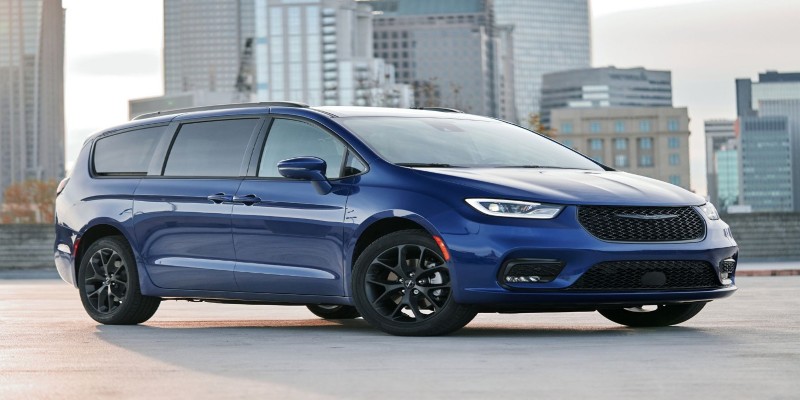
Moreover, family cars tend to have lower repair costs and are not commonly targeted for theft, further reducing insurance rates. For families looking to save on car insurance, choosing a minivan or family sedan can be an effective strategy.
How To Manage Car Insurance Costs Based On Vehicle Type
While some factors affecting car insurance rates are beyond your control, such as the type of vehicle you drive, there are steps you can take to reduce your premiums. Here are a few strategies that may help:

Choose A Safe Vehicle:
Vehicles equipped with advanced safety features, such as lane departure warnings, automatic emergency braking, and anti-theft systems, may be eligible for discounts. These features lower the risk of accidents and theft, which can result in reduced premiums.
Shop Around For Insurance:
Different insurers assess risk in different ways, so it’s a good idea to compare quotes from multiple companies. While one insurer may have higher premiums for a certain vehicle type, another might offer better rates.
Consider Your Deductible:
Increasing your deductible can lower your monthly premium. However, keep in mind that if you make a claim, you will be responsible for paying a higher out-of-pocket cost.
Conclusion
Car insurance rates are influenced by many factors, with vehicle type being one of the most significant. Whether you drive a sports car, an SUV, or a family minivan, the make and model of your vehicle will play a key role in determining your premiums. Understanding how your vehicle type affects insurance rates can help you make better decisions when purchasing a car or choosing insurance coverage. By considering factors such as safety features, repair costs, and the likelihood of theft, you can manage your car insurance expenses effectively while ensuring adequate coverage for your needs.